

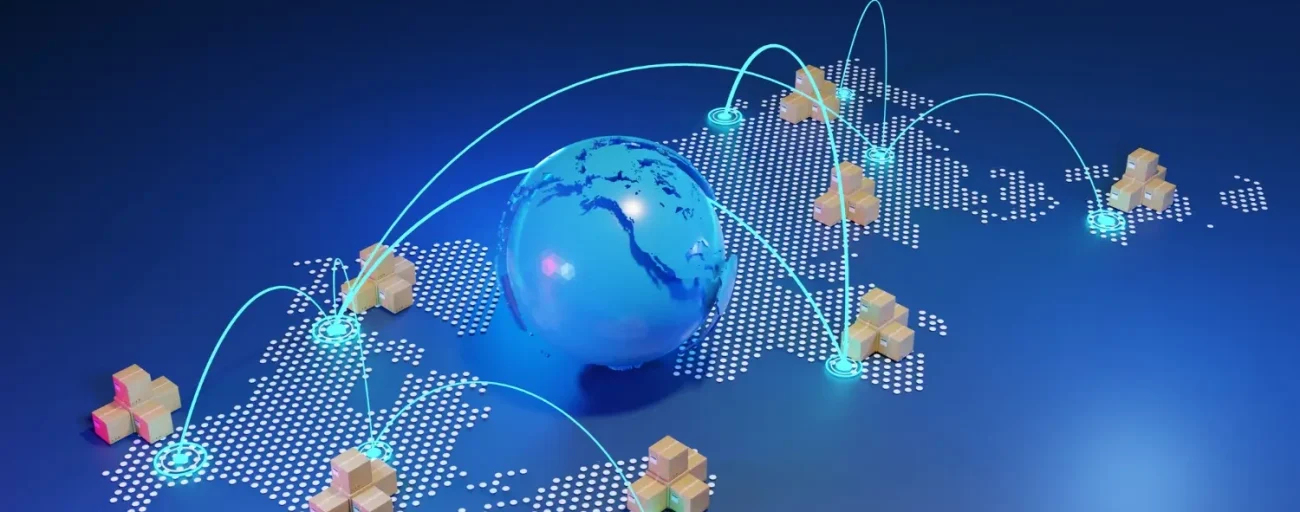
Imagine a world where your goods move seamlessly from a factory in Punjab to a port in Gujarat, sail smoothly to Europe, and reach shelves on time – all at minimal cost. This is not a distant dream anymore; multimodal logistics is making it happen in India today.
What is Multimodal Logistics? 🌏
Multimodal logistics simply means using multiple modes of transport – road, rail, air, inland waterways, and ocean shipping – under a single contract. Instead of treating each leg of transportation separately, multimodal logistics integrates them into one efficient chain.
For example, a textile exporter from Ludhiana can load containers directly onto rail to Mundra port and ship them out without waiting for multiple clearances or transport agencies. This reduces cost, time, and administrative headaches.
Why is it India’s Secret Weapon? 🚀
Reduces Logistics Cost
India’s logistics cost is about 13-14% of GDP, higher than global benchmarks of 8-10%. By combining rail, road, and waterways efficiently, multimodal transport cuts costs per tonne-km, reducing overall landed costs for exporters.
Faster Transit Time
A dedicated freight corridor (DFC) train can carry containers from Delhi to Mumbai in half the time compared to trucks. Similarly, using coastal shipping to South India avoids congested highways, ensuring timely delivery to global buyers with tight timelines.
Better Supply Chain Reliability
Using multiple modes reduces dependency on a single mode (e.g. trucks stuck due to strikes or monsoons). This reliability boosts India’s credibility in international markets where on-time delivery is critical.
Sustainability Advantage
Rail and waterways emit far less CO₂ per tonne-km than trucks. Global buyers are increasingly demanding lower carbon footprints in their supply chains. Multimodal logistics gives Indian exporters an edge by making their supply chains greener.
Unlocks Remote Export Potential
Products from the hinterland – whether carpets from Bhadohi, tiles from Morbi, or fruits from Nagpur – can reach global markets efficiently if connected to multimodal hubs, opening up trade opportunities beyond traditional port cities.
At varius vel pharetra vel turpis nunc eget. Purus sit amet volutpat consequat mauris nunc congue. Ac tortor dignissim convallis aenean. Hendrerit gravida rutrum quisque non tellus orci ac. Lorem mollis aliquam ut porttitor leo. Sollicitudin nibh sit amet commodo nulla facilisi. Fames ac turpis egestas maecenas pharetra.
Sagittis eu volutpat odio facilisis mauris sit. Amet luctus venenatis lectus magna fringilla urna porttitor rhoncus dolor. Nisl condimentum id venenatis a condimentum vitae sapien pellentesque habitant. Egestas congue quisque egestas diam in. Adipiscing elit duis tristique sollicitudin nibh sit amet commodo nulla. In arcu cursus euismod quis viverra. Imperdiet massa tincidunt nunc pulvinar sapien et ligula.
Government Push: Building the Ecosystem 🔑
The National Logistics Policy and PM Gati Shakti are not just slogans. India is:
- Building Multimodal Logistics Parks (MMLPs) across states to integrate storage, handling, and transport.
- Investing in DFCs, inland waterways (e.g. NW-1 on Ganga), and coastal shipping infrastructure.
- Simplifying documentation for multimodal bills of lading, ensuring single-window clearances.
- Economy: Increased exports, job creation in logistics, and a stronger ‘Make in India’ push.
These initiatives aim to bring down logistics costs to single-digit GDP percentages, boosting India’s competitiveness in exports ranging from auto components to agri-products.
💡 What Does This Mean for Businesses?
- Manufacturers: Faster access to ports and reduced inventory costs.
- Exporters: Improved delivery timelines and competitive landed costs.
- Logistics Providers: Opportunity to create integrated multimodal offerings for clients.
- Economy: Increased exports, job creation in logistics, and a stronger ‘Make in India’ push.
